For people living with IBD, food can be a source of nourishment, connection, anxiety and fear all at the same time. When you have a disease that affects your digestive tract, food suddenly becomes top of mind. What works for one person may not work for another, which makes identifying a singular diet for IBD patients nearly impossible. I want to make it clear that food does not cause IBD and diet does not cure it, but there are ways to manage how complicated this relationship can be.
When I was first diagnosed with ulcerative colitis, my doctor gave me a list of foods to avoid, similar to the low-FODMAP diet. It included things like caffeine, alcohol, seeds, nuts, popcorn, fried food, spicy food, sugar, raw vegetables, and anything processed. This is a pretty lengthy, restrictive list and I honestly felt defeated. How was I going to find anything at the store that isn’t processed or doesn’t have added sugar? We live in America! Almost everything is processed in some way. Instead of feeling so confined in my diet, I decided to focus on the things I COULD eat and commit to only buying those items at the store to avoid any sort of temptation.
For a long time, I looked at food as the enemy. I blamed food for making my symptoms worse, so much so that I would avoid eating if I could. I lost a lot of weight and it was noticeable enough for people to tell me “You look so skinny!” or “You look great! What are you doing to lose weight?” Truth is, I have never purposely tried to lose weight. In fact, I work really hard to gain weight and muscle, but my body simply can’t keep the weight on consistently due to my disease. You want to know my secret to being skinny? Have diarrhea everyday! (This is a joke, obviously.)
We hear a lot about eating disorders, but what we don’t hear about is disordered eating with IBD. According to the Crohn’s and Colitis Foundation, disordered eating is described as an irregular eating pattern that can affect mental health and quality of life. These behaviors can include things like delaying or skipping meals, restricting foods that have not been medically recommended, and fear and anxiety around eating certain foods. Eating disorders and disordered eating are very common in patients with IBD, but are rarely talked about.
Once I realized that skipping meals and choosing not to eat made me feel worse, I decided to change my perspective on food. Whenever I feel that food insecurity creep in, I make a conscious choice to look at food as a way to nourish my body. I remind myself that biologically, my body cannot function without the proper nutrients. Removing those nutrients threatens the basic human need of survival. My general rule of thumb is to have one source of protein, veggies, and carbs in each meal to make sure it is well balanced and sustains my energy levels. And yeah, I enjoy a little sweet treat now and then. Who doesn’t?
I have also suffered with restaurant anxiety for years simply because it’s hard to find something I can eat and I have no control over how the food is being made. This makes travelling especially difficult, which is why I pack safe snacks that I can trust. Because of this, I have learned to love cooking safe meals at home where I have control over the ingredients being used. In fact, this is my fiancé’s and my favorite thing to do together. Creating healthy meals together is something that really bonds us and we are always on the hunt for a great new recipe. Check out some of our creations below!
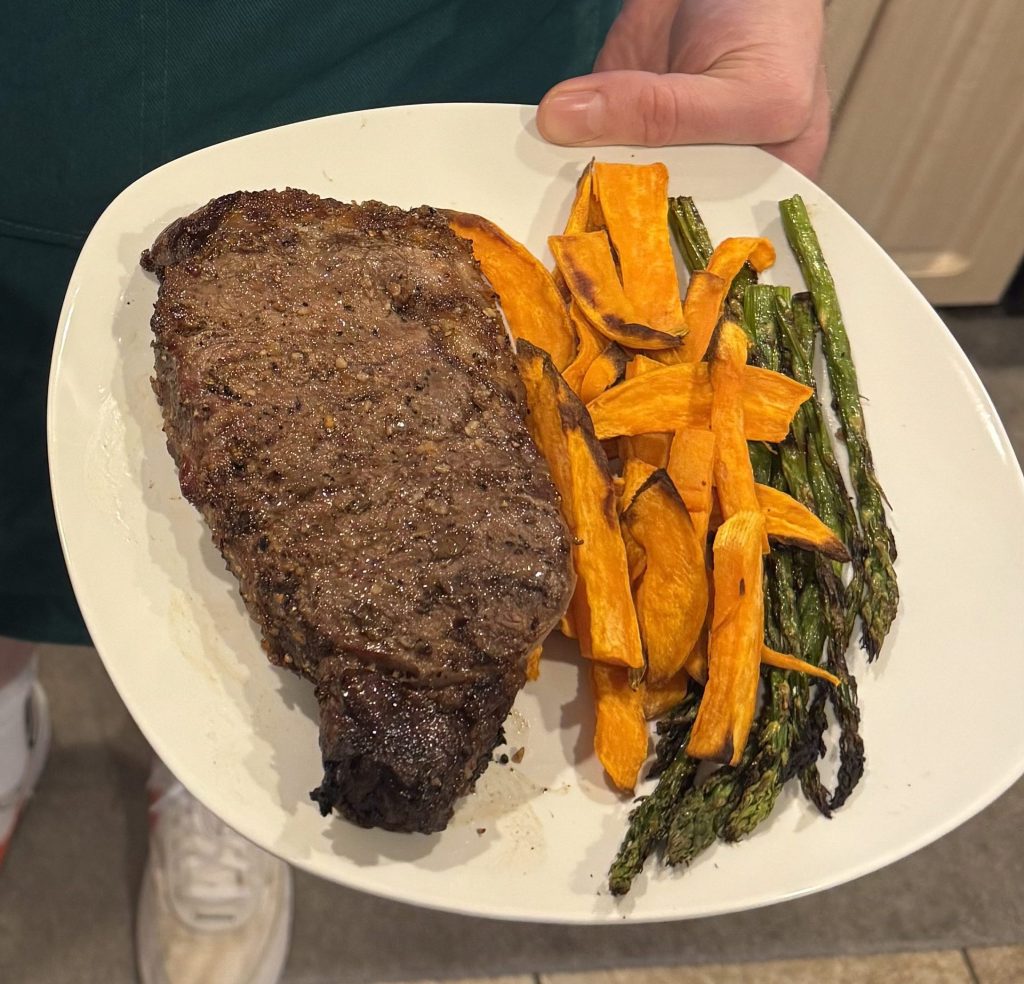
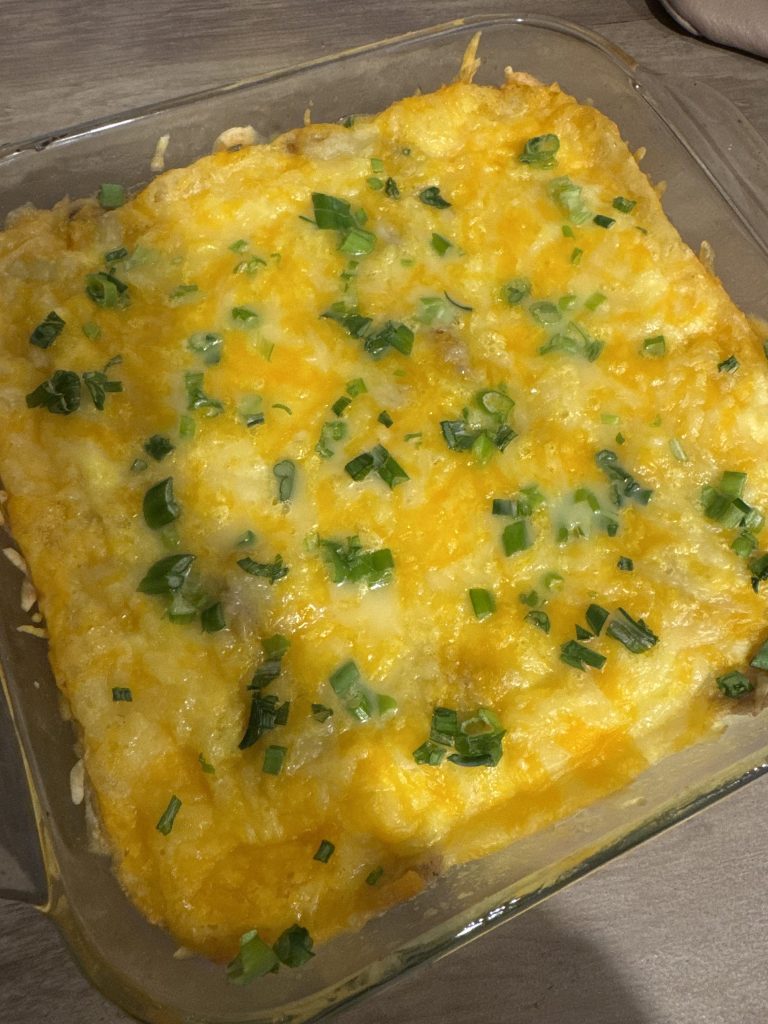
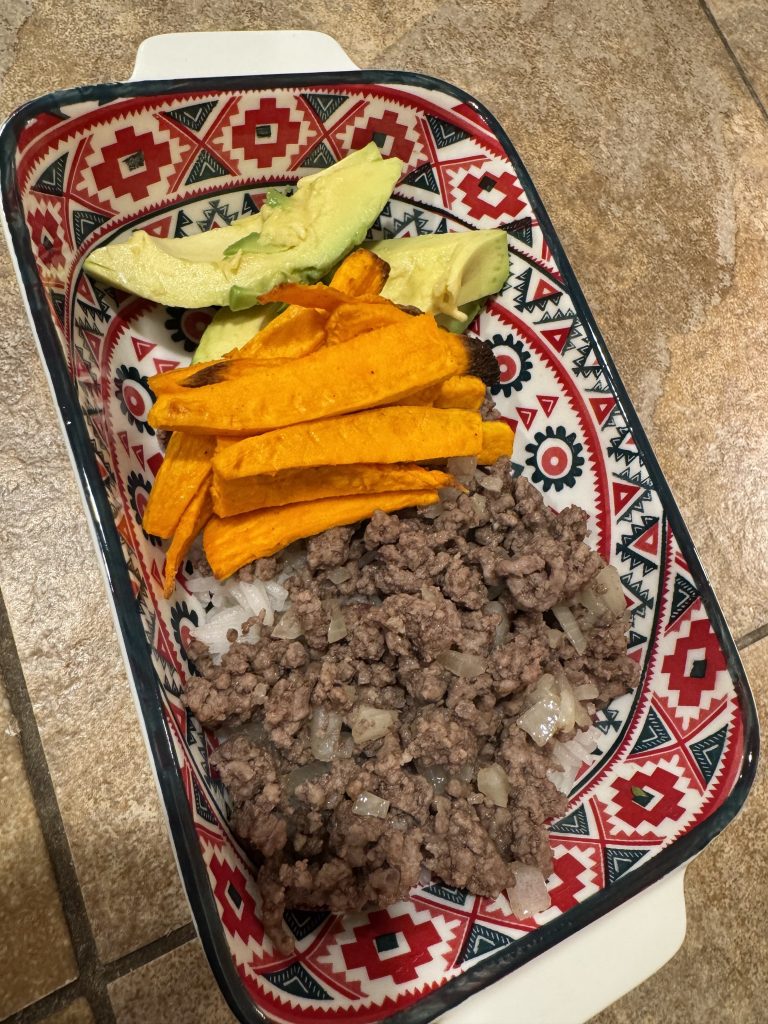
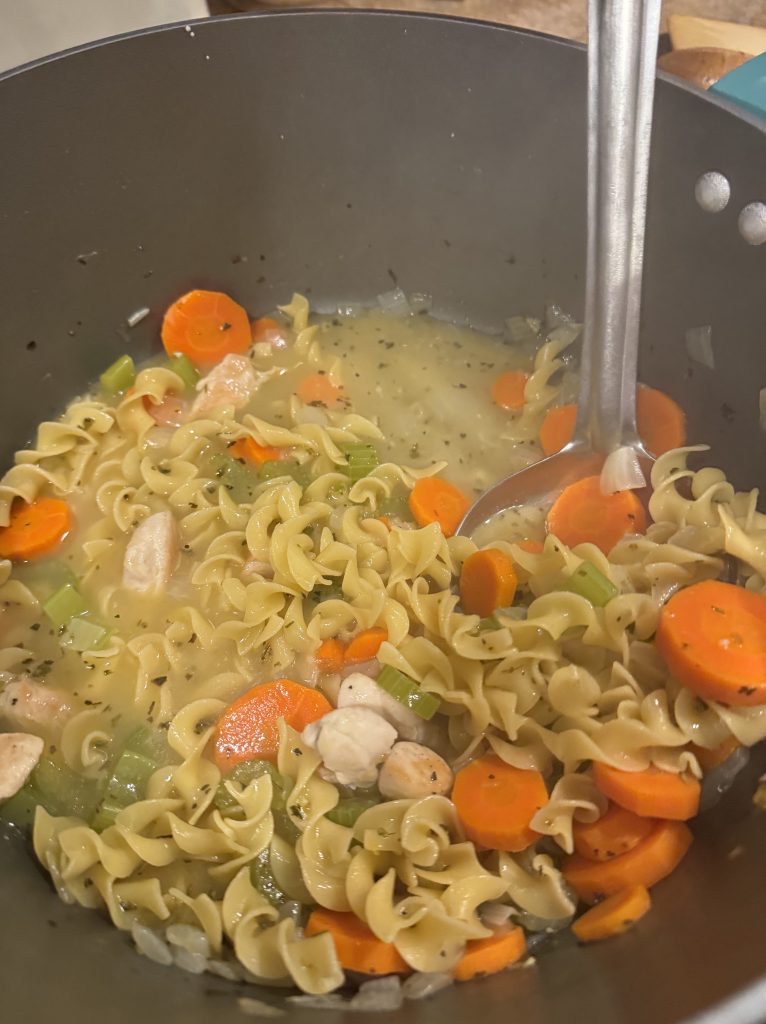
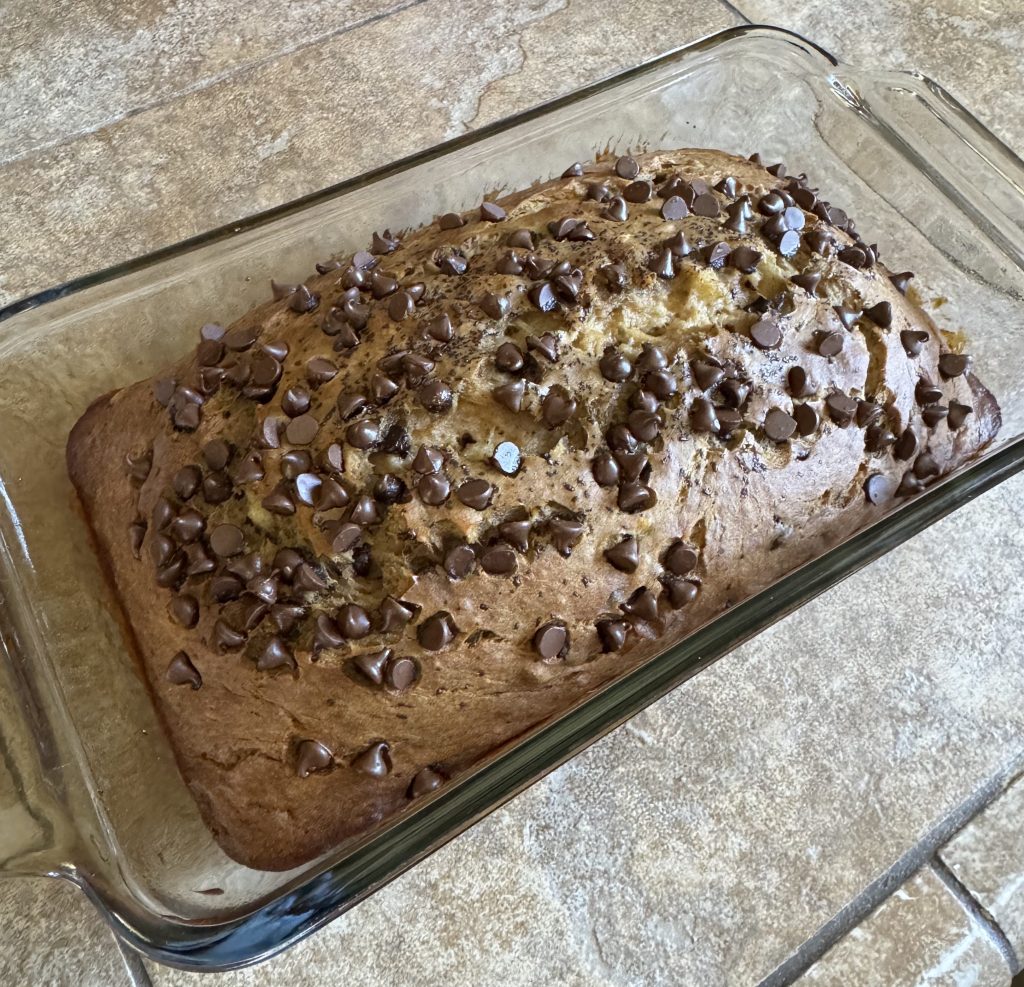
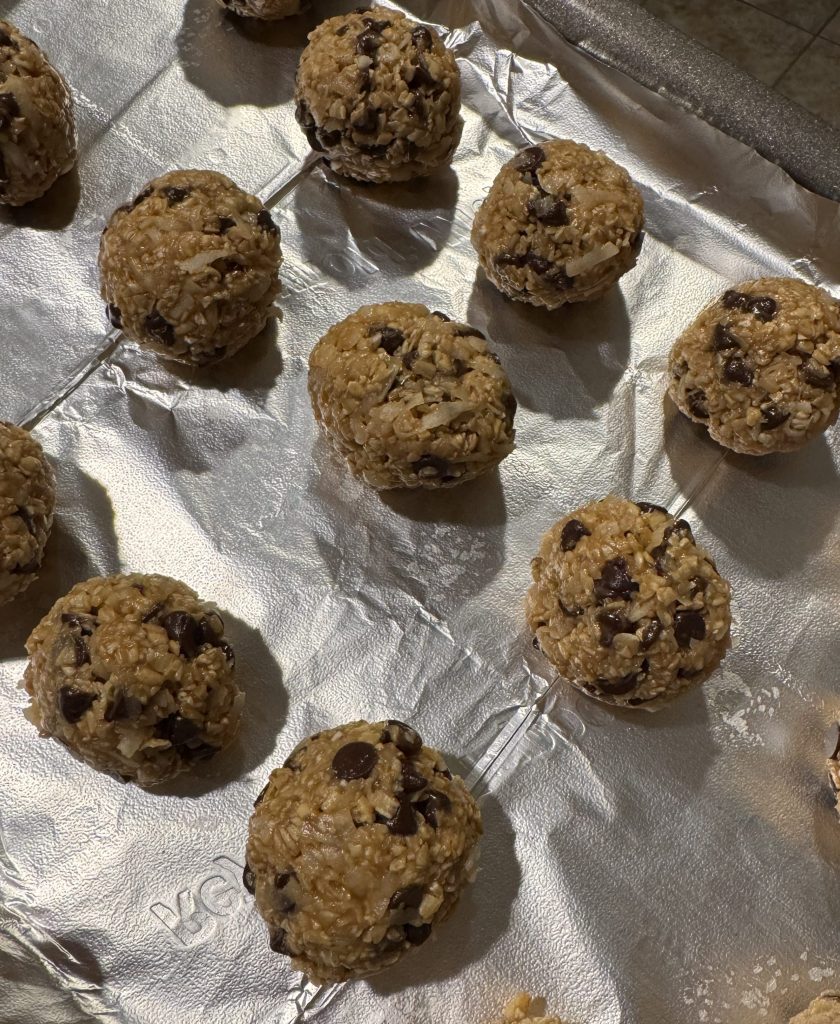
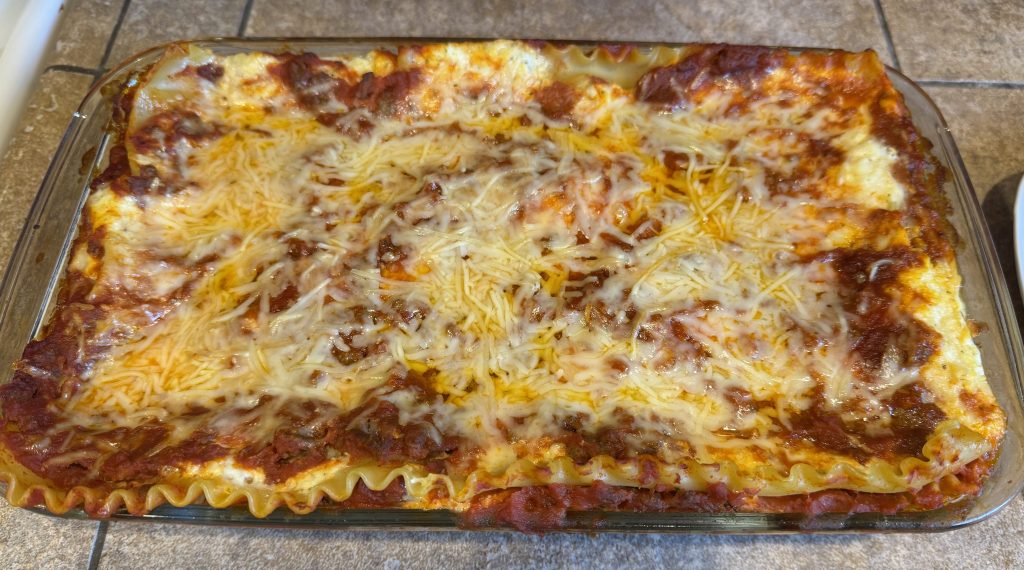
In short, our relationship with food can be complicated, but there are still tasty things we can eat to fuel our bodies. This can look extremely different during a flare vs. in remission. I use remission as an opportunity to explore and test out more foods to see what works and what doesn’t. It can be a lengthy process of elimination, but it will be worth it to know your body better and respond quickly when a flare happens. To summarize, here are some key ways you can manage your relationship with food:
- Focus on what you CAN eat!
- Look at food as a way to nourish your body. Remind yourself that you need it to survive.
- Cook safe meals at home where you have control over the ingredients. And most importantly, make it fun!
- Try to have one source of protein, veggies, and carbs in each meal to make sure it is well balanced and sustains your energy.
What are some ways you manage your relationship with food and IBD? Do you have any recipes worth sharing? Let me know in the comments below!
*Disclaimer: Please talk to your doctor and/or nutritionist first before making permanent changes to your diet.


