A few days ago, I came across the post below on Instagram by Dr. Josh Axe. I actually took the time to stop my doom scrolling and read what he had to say. Not only did the words “ulcerative colitis” catch my eye, but as I read on, it sounded like an exact conversation I’ve had with my doctor in the past. We could be doing everything “right,” yet still fall into a flare. This even applies to people without chronic illness. We cannot ignore the emotional impacts that grief, stress, or major life events have on our bodies.



In a previous blog post, I talked about how managing Crohn’s disease and ulcerative colitis is like piecing together a puzzle. Disease management in IBD patients is extremely multi-faceted. You have medication, diet, sleep, stress management, etc. All these things affect how an IBD patient shows up in their daily lives.
There have been countless times where I show up to my doctor’s office not knowing what went wrong. I haven’t changed my diet, have been consistently exercising, and sleeping well, yet I still fall into flares. In my case, the one puzzle piece that has been the hardest to manage is stress, which I’ve found to be a significant trigger for my flares. Stress is defined as the body’s response to change. Unfortunately, change is inevitable in life and coping with one specific life change is not one size fits all.
My biggest pet peeve is when people say “stop being so stressed.” This is the most unhelpful piece of advice you could give anyone with a chronic, autoimmune disease. If we could control our stress, we would. What many people don’t understand is that when we start to feel symptoms of a flare, it causes worry, which then makes the symptoms worse. It is an endless cycle and so hard to break once you are in it.
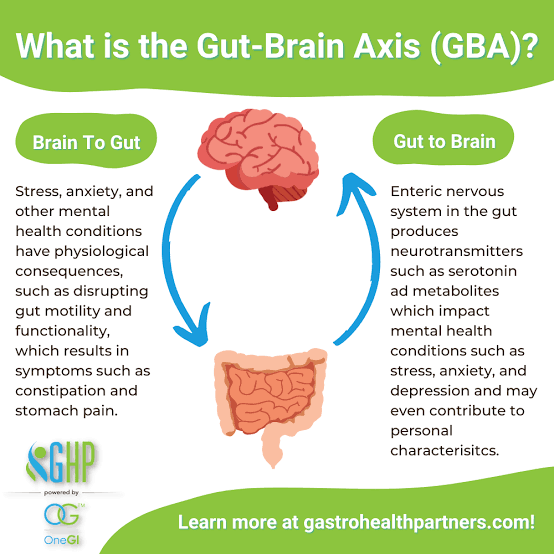
Our gut and our brain do not work separately, in fact they are closely correlated and interact in complex ways. Any emotion we feel goes straight to our gut. Why do you think people say “I have butterflies in my stomach” or “I’ve got a gut feeling about this?” Mental health and gastrointestinal diseases are directly linked to one another, and this cannot be ignored in treatment plans for IBD patients.
The problem here? There is no cure for stress and as it turns out, life is pretty stressful. Navigating this change looks different for everyone and this is what makes finding a cure for IBD so complex. I have to admit, I am not an expert in dealing with stress and I am still figuring out what works for me, but understanding how the gut and brain interact is a great place to start.
Is stress a trigger for your autoimmune disease? What are some ways you manage stress on a daily basis?
Let me know in the comments below or subscribe to learn more!


One thought on “Beyond the Gut: Understanding the Mental Health Impact of IBD”