Being a woman with IBD is complicated. It adds an extra layer of complexity to the disease that men simply do not have to deal with. Things like monthly hormone fluctuations, menstruation symptoms that are commonly mistaken as a flare, and medication considerations that can affect fertility and family planning make living with IBD that much harder.
I recently read this article from Cedars Sinai about how IBD impacts women differently than men. There were many good points made, but I wanted to pull out three that I feel are most important.
1. Hormone fluctuations
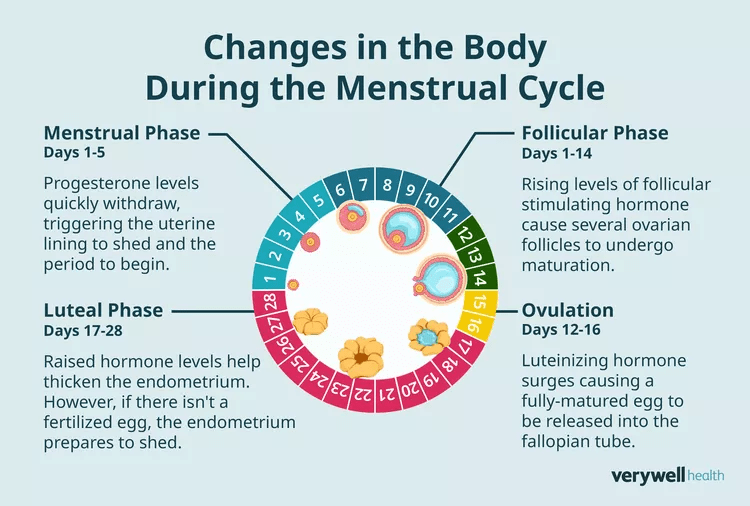
Certain hormones can trigger flares in women. During the luteal phase, progesterone decreases which is why symptoms may worsen right before or during your period. This goes for women who don’t have IBD too! For me, my symptoms always flare up during this time. Luckily, I have trained my brain to anticipate this fluctuation and I consciously adjust my diet in the days leading up to my period to alleviate any GI symptoms. I also make sure I plan extra rest time at home on the first and second day of my period, if possible. Tracking your cycle is a helpful way to anticipate these changes.
2. Delayed time to get diagnosed or misdiagnosis
When my dad took me to the ER on Christmas Eve and I was suffering from severe abdominal pain, the first thing the doctor asked me was “Are you sure you aren’t pregnant?” It was honestly insulting and not what I wanted to hear while I was writhing in pain. I guess that’s what you get when you’re a young woman of childbearing age. Shocker, it turns out I wasn’t pregnant, I had C diff. So I hope that doctor felt really bad when he realized the assumption he made about me was wrong.
When women go to the doctor complaining of abdominal pain, bloating, or GI issues, the doctor immediately goes to anxiety or reproductive issues like PCOS (now PMOS) or endometriosis. While these conditions can go hand in hand with IBD, there are so many contributing factors in women that make it common to be misdiagnosed or have your symptoms ignored entirely. This is why advocating for yourself at the doctor is so important. You know your body better than anyone else. Don’t let them tell you otherwise.
3. Fertility issues and family planning considerations
Women with IBD can get pregnant. Having IBD automatically makes the pregnancy high-risk, but it doesn’t mean it isn’t possible. I’ve done a lot of research on this topic and the current messaging says that the best chance of avoiding complications during pregnancy is being in remission for 6 months to 1 year before conception. If you are not in remission at conception, there is a higher likelihood that your symptoms will continue during pregnancy and post-partum.
The other common advice I’ve seen is stay on your IBD medications during pregnancy. Most biologics have been proven safe during pregnancy, while others are still being tested. There is not a ton of data on these, which is why studies like PIANO are important to participate in. As someone who wants children and is entering that phase of my life, this is a huge consideration to make and requires quite a bit of planning.
Overall, women with IBD have far more to consider in their disease management than men do. It is important to curate a team of doctors that work together to provide the best treatment plan for you. Adding in all these complex layers as a woman makes IBD even harder to manage, but not impossible.
If you are a woman with IBD and this struck a chord with you, share your experience in the comments below and subscribe!


